Key Features to Look for in Trencher Chains
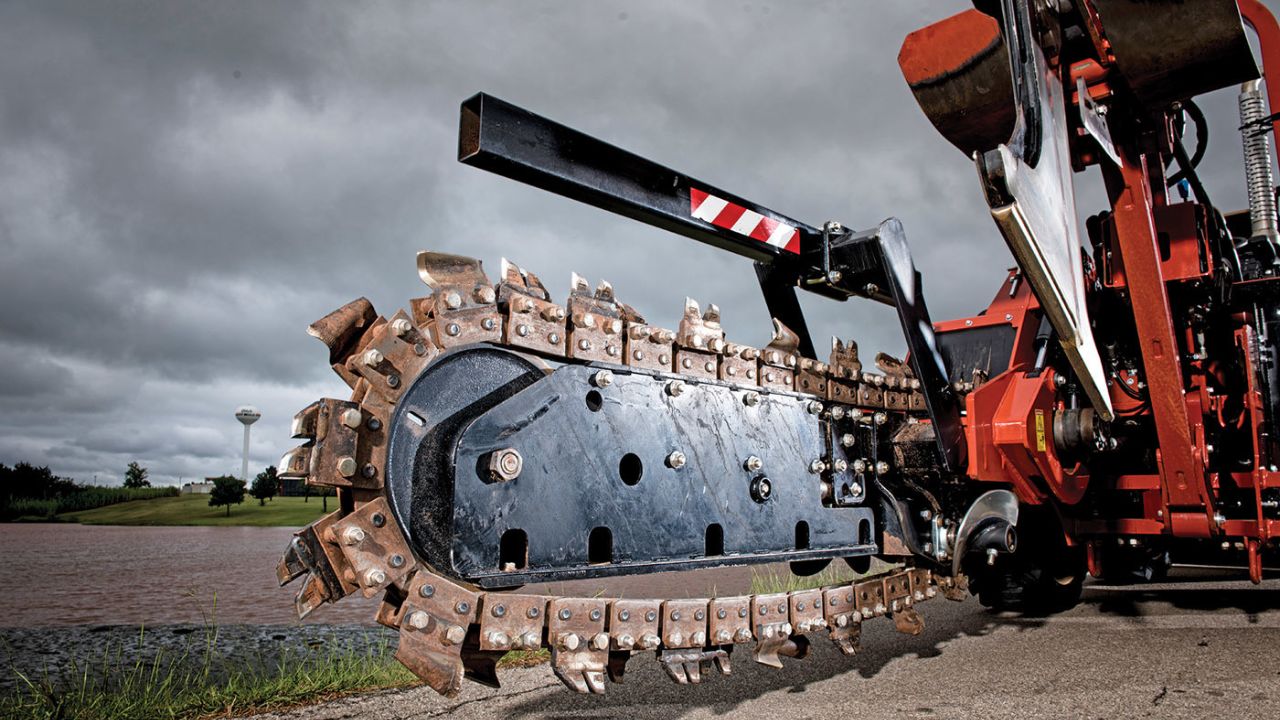
Trencher chains are an essential part of trenching equipment, and they are essential in the excavation process. These chains make sure that they carry and move the cutting teeth that cut through soil, rock, and other materials. Due to working conditions and pressure, the choice of a trencher chain is crucial to guaranteeing efficiency, durability, and cost-efficiency. Knowledge of what to look at in a trencher chain to ensure a proper decision is made can guide the operators and project managers to make a decision that directly affects the productivity and performance of the machine.
Chain Strength and Durability
The strength and durability of any trencher chain are one of the most significant characteristics of such a chain. The trencher chains experience continuous tension, impact, and abrasion when they are in operation, particularly in adverse ground conditions. Hardened alloy steel is usually used to make high-quality chains, and this gives the required toughness to resist such forces.
Durability is not merely concerned with the strength of the material but also with wear resistance over time. Engineered chains with reinforced links and components that are heat-treated will last longer and run in a more predictable fashion. A long-lasting trencher chain will save time in replacement and minimize downtimes, which is a key component of the efficiency of a long-term project.
Chain Pitch and Configuration
Chain pitch, which is the distance between the links on the chain, is another important characteristic. Popular sizes of pitches, 1.654 inches or 2 inches, are meant to fit various trenchers and uses. The right pitch will make the machine’s sprockets and other parts fit correctly so that the machine can run smoothly and efficiently.
Besides pitch, chain configuration is also crucial in performance. Trencher chains may have the tooth pattern of either cup teeth, shark teeth, or both. All the configurations are made to cope with certain soil conditions, and choosing the appropriate one can dramatically increase the cutting speed and decrease the workload of the equipment.
Wear Resistance and Material Quality
The other key characteristic that defines the life and efficiency of a trencher chain is wear resistance. Chains exposed to any abrasive substances like sand, gravel, and rock should be in a position to withstand quick wear. The use of high-quality materials coupled with modern manufacturing processes helps in increasing wear resistance.
Most of the trencher chains in use today have parts produced of tungsten carbide or other hardened steel to increase the resistance to abrasion. This not only prolongs the life of the chain but also ensures a constant cutting performance as time goes by. When selecting a chain, it is best to pick one that has high material quality to guarantee superior value and performance in tough tasks.
Ease of Maintenance and Replacement
Maintenance is a major factor determining the performance of trencher chains, and therefore, ease of maintenance is a feature that should be considered. Quickly inspectable and adjustable chains that can be changed quickly can save a lot of time at the job site. Its design includes characteristics like convenient connectors and modular components that enable repair or replacement of worn parts without detaching the whole system.
Routine maintenance is used to avoid unforeseen failures and ensure the chain is operating at optimum efficiency. Easy-to-maintain chains not only enhance productivity, but also help in safer working conditions as they help in reducing sudden failure of equipment.
Performance in Different Ground Conditions
A good trencher chain must be able to work in diverse ground conditions. The chain should be capable of adjusting to the environment regardless of whether the project is based on soft soil, compacted earth, or rocky terrain. Chains that have a versatile configuration and strong construction are more suitable to meet these variations.
One of the most important indicators of a reliable trencher chain is the capability to produce consistent performance in various conditions. When choosing a chain that is specifically made to be used in the application that is in question, this guarantees a more fluid operation and a minimization of possible performance problems in the course of the project.
Conclusion
When choosing the appropriate trencher chain, one should consider a number of essential characteristics, such as strength, pitch, compatibility, wear resistance, and maintenance. All these are important factors that affect the performance and life span of the chain. Through a proper scrutiny of these features, operators can select trencher chains that allow them to achieve high efficiency, lower costs of operation, and help the project achieve its success.